
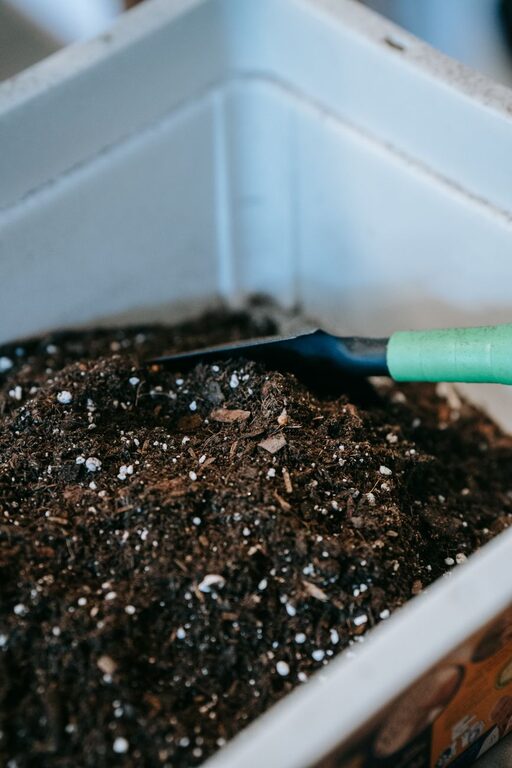
Beginner Tips for Composting at Home: A Simple Guide
Starting a compost bin at home is a rewarding way to reduce waste and enrich your garden soil. If you’re new to composting, it might seem a bit tricky at first, but with some simple tips, you can create a healthy compost pile that breaks down food scraps and yard waste efficiently. This guide will help you understand the basics and get started with confidence.
What is Composting?
Composting is the natural process of recycling organic matter, such as food scraps and yard debris, into a rich soil amendment. Instead of throwing these materials into the trash, composting allows them to decompose and transform into nutrient-rich humus that plants love.
Why Compost at Home?
– Reduces landfill waste: Composting diverts organic waste from landfills, cutting down on methane emissions.
– Improves soil quality: Compost adds nutrients and enhances soil structure.
– Saves money: It reduces the need for chemical fertilizers.
– Supports the environment: Composting fosters sustainable living by returning nutrients to the earth.
Getting Started With Composting
Choose the Right Compost Bin
There are various compost bin options to match your space and needs:
– Outdoor bins: Large, enclosed containers suitable for yards.
– Tumbler bins: Rotating drums that speed up composting.
– Indoor composters: Small units or worm bins for apartments or small spaces.
Select a bin that fits your available space and how much organic waste you generate.
Find a Good Spot
Place your compost bin in a well-drained, shady or partly sunny area. This helps maintain moisture without overheating the pile. Make sure it’s accessible for adding materials and turning the pile.
What Can You Compost?
Greens (Nitrogen-rich materials)
– Fruit and vegetable scraps
– Coffee grounds and filters
– Fresh grass clippings
– Tea bags (without synthetic materials)
– Eggshells (crushed)
Browns (Carbon-rich materials)
– Dry leaves
– Shredded paper and cardboard
– Straw or hay
– Sawdust (untreated wood)
– Pine needles
Avoid Composting
– Meat, dairy, and oily foods
– Pet waste
– Diseased plants
– Weeds gone to seed
– Treated wood or synthetic materials
Keeping meat and dairy out prevents odors and pests.
Balancing Greens and Browns
A good compost pile needs a balance of greens (moist, nitrogen-rich) and browns (dry, carbon-rich). Aim for about 2 to 3 parts browns to 1 part greens by volume. This balance supports microbes that break down material efficiently.
How to Build Your Compost Pile
- **Start with a layer of coarse browns** to help aerate the pile.
- **Add layers of greens and browns** in alternating amounts.
- **Keep the pile moist** like a damp sponge but not soaking wet.
- **Turn or mix the pile regularly** (every 1-2 weeks) to add oxygen.
- **Be patient; composting can take several months** depending on conditions.
Tips for Success
– Chop or shred materials: Smaller pieces break down faster.
– Keep it moist: Water if it dries out or cover the pile in dry weather.
– Turn often: Aeration speeds decomposition.
– Use a thermometer: Ideal compost temperature is 135–160°F (57–71°C).
– Add a compost starter: A shovelful of finished compost or garden soil introduces helpful microbes.
Troubleshooting Common Problems
| Problem | Cause | Solution |
|——————|——————————–|———————————|
| Smelly compost | Too much green material or wet | Add more browns, turn pile |
| Pests or rodents | Meat, dairy, or food scraps | Remove offending items, use sealed bin |
| Slow decomposition | Pile too dry or compacted | Moisten and turn more often |
| Compost too dry | Lack of moisture | Add water and green materials |
Using Your Finished Compost
Finished compost looks dark, crumbly, and earthy-smelling. Use it to:
– Improve garden beds and potting soil
– Mulch trees and shrubs
– Fertilize lawns and vegetable gardens
– Start seedlings in seed-starting mixes
Adding compost to your soil boosts plant health naturally.
Final Thoughts
Composting at home is a simple, eco-friendly practice that reduces waste and improves your garden. By following these beginner tips, you can create a thriving compost pile and enjoy the benefits of nutrient-rich soil. Start small, pay attention to balance and moisture, and watch your kitchen scraps turn into garden gold!
Happy composting!
