
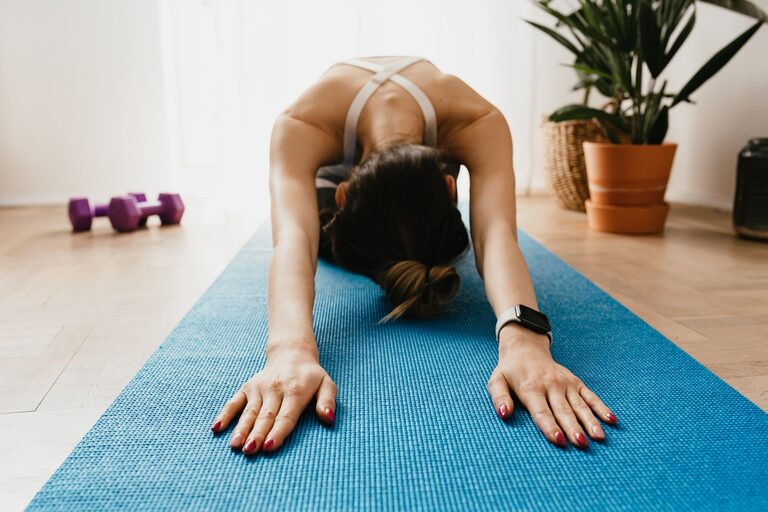
A Beginner’s Guide to Stretching at Home for Better Flexibility
Stretching is a simple and accessible way to enhance your physical and mental well-being. Whether you’re looking to increase flexibility, reduce muscle tension, or simply add a gentle activity to your daily routine, stretching at home offers numerous benefits. This beginner’s guide will walk you through the essentials of stretching, including how to get started, basic stretches to try, and tips to make the most of your routine.
Why Stretching Matters
Stretching plays an important role in maintaining muscle health and joint mobility. Here are a few key benefits of regular stretching:
– Improves flexibility and range of motion: Helps joints move more freely and muscles lengthen.
– Reduces risk of injury: Prepares muscles for activity and lowers the chance of strains.
– Relieves muscle tension: Eases tightness caused by stress or prolonged sitting.
– Enhances circulation: Promotes blood flow to muscles and tissues.
– Supports posture: Helps balance muscle groups and prevent imbalances.
No matter your age or fitness level, stretching can be adapted to fit your needs and schedule.
Getting Started: Important Considerations
Before you begin a stretching routine at home, keep these tips in mind:
– Warm up first: Stretching cold muscles can lead to injury. Try light walking or marching in place for 3–5 minutes.
– Be gentle: Stretch slowly and avoid bouncing or forcing your muscles into uncomfortable positions.
– Breathe normally: Deep, steady breathing helps you relax and improve stretch effectiveness.
– Hold stretches: Aim to hold each stretch for about 15–30 seconds without pain.
– Focus on problem areas: Pay extra attention to muscles that feel tight or sore.
– Stay consistent: Aim to stretch at least 3–4 times a week to see lasting benefits.
Basic Stretching Exercises for Beginners
Here are some beginner-friendly stretches you can easily do at home. These exercises target major muscle groups for overall flexibility.
Neck Stretch
– Sit or stand tall.
– Slowly tilt your head to the right, bringing your ear toward your shoulder.
– Hold for 20 seconds, feeling the stretch on the left side of your neck.
– Repeat on the left side.
Shoulder Stretch
– Bring your right arm across your chest.
– Use your left hand to gently press your right arm closer to your chest.
– Hold for 20–30 seconds.
– Repeat with the left arm.
Chest Stretch
– Stand with feet shoulder-width apart.
– Clasp your hands behind your back and straighten your arms.
– Lift your chest and gently squeeze your shoulder blades together.
– Hold for 20 seconds.
Seated Hamstring Stretch
– Sit on the floor with legs extended straight.
– Slowly reach toward your toes, keeping your back straight.
– Go only as far as comfortable and hold for 20–30 seconds.
Cat-Cow Stretch (for spine mobility)
– Start on hands and knees in a tabletop position.
– Inhale, arch your back, lifting your head and tailbone toward the ceiling (Cow).
– Exhale, round your spine, tucking your chin and pelvis (Cat).
– Repeat 5–10 times slowly.
Quadriceps Stretch
– Stand near a wall or chair for balance.
– Bend your right knee and grab your ankle with your right hand.
– Pull your heel gently toward your buttocks.
– Keep your knees close and hips aligned.
– Hold for 20 seconds and switch legs.
Creating Your Stretching Routine
To build an effective and enjoyable stretching routine, consider these steps:
- **Set a regular time:** Stretching works best when it becomes part of your daily or weekly habits.
- **Start small:** Begin with 5–10 minutes per session and gradually increase as you feel comfortable.
- **Use a comfortable space:** Choose a quiet spot with enough room to move freely.
- **Incorporate variety:** Mix stretches targeting different muscle groups.
- **Listen to your body:** Avoid pushing beyond your limits; stretching should feel good, not painful.
- **Track your progress:** Notice improvements in flexibility and range of motion over time.
Helpful Tools and Resources
While stretching requires minimal equipment, a few items can enhance your experience:
– Yoga mat: Provides cushioning and grip for floor stretches.
– Stretching strap or belt: Helps extend reach in hamstring or shoulder stretches.
– Foam roller: Useful for releasing muscle tension before or after stretching.
You can also find online videos and apps with guided stretching routines designed for beginners.
When to Avoid Stretching
In some cases, stretching may not be recommended or should be done with caution:
– During acute injuries or severe pain.
– Immediately after intense workouts unless done as a cool-down.
– If you have certain medical conditions affecting joints or muscles (consult a healthcare provider).
Always check with a professional if you’re unsure about starting a new exercise routine.
Final Thoughts
Stretching at home is an easy and effective way to improve your flexibility, reduce discomfort, and support overall health. By starting slowly and following a balanced routine, anyone can enjoy the many benefits of stretching. Remember, consistency is key, and even a few minutes a day can make a difference.
Take a moment today to stretch — your body will thank you!
